
Why muscle therapy is a smart investment


We live in a time where the body is expected to perform a lot. Often without breaks. Some run, do strength training or play sports several times a week. Others sit in front of a screen for a long time, commute, stress, and don't manage to get enough sleep.
The common denominator is simple: the body bears a stronger burden than we think. It bears the everyday life, the pace, the attitude, the training and the strain we rarely notice until the body protests. Taking care of the body is therefore not just about avoiding injury, it's about staying functional, light in your movements and strong in the long run. This is where muscle therapy can play an important role, both preventively and when minor issues have begun to creep in.
The body sends signals long before it stops
Many people wait until the pain is noticable before doing anything. But the body often sends subtle signals long in advance: stiffness in the neck and shoulders, a hip that feels "heavy", a knee or back twinge that comes and goes, or muscles that never quite relax after exercise.
These signals are not always serious, but they are valuable. They tell us that something may be overloaded, unbalanced or simply under-recovered. Muscle therapy can help relieve pressure before it becomes a long-term issue.
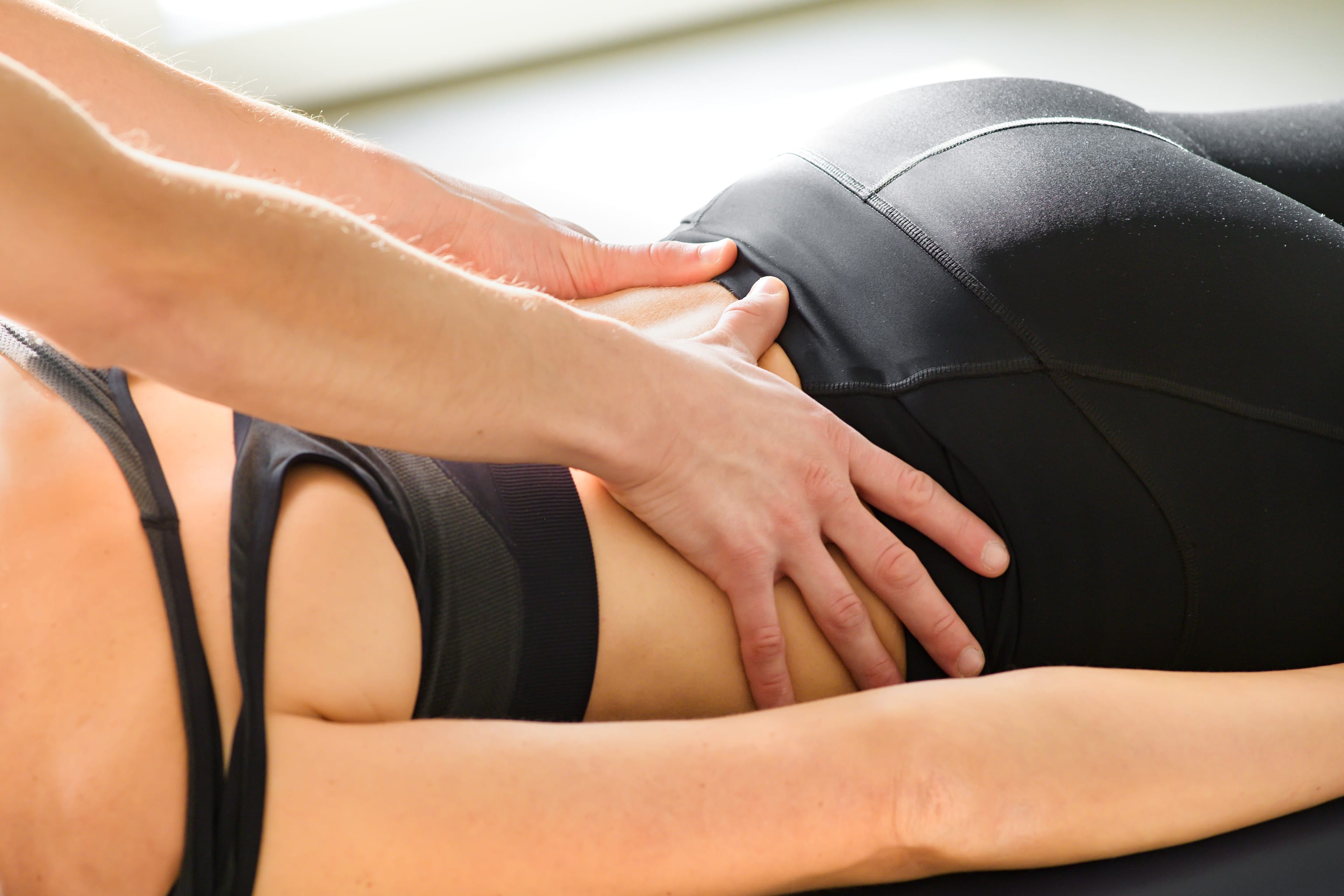
Muscle therapy is more than massage
A good muscle therapist doesn't just work to "take away the pain". The goal is often to understand why the strain occurs and how the body can function better. The treatment may include deep muscle work, mobility, stretching of dominant muscles, and providing advice that makes the effect last much longer than the session itself.
The result is often a body that:
Moves more freely
Recovers better
Withstands more strain
Feels more "collected"
For active people, this can mean faster recovery and fewer short breaks. For those who spen a lot of time sitting still and live stressful lives, it can mean less tension, better posture and a calmer body.
Recovery is part of the performance
It's easy to think that health and performance are first and foremost about exercise. But the truth is that the body is built during the breaks. Recovery is not an add-on – it is a necessity.
Muscle therapy can be a concrete tool for better recovery because the treatment often:
improves circulation
reduces muscle tension
provides better mobility
helps the body "reset" after strain
When this is combined with good sleep, the right nutrition, and a smart training planning, you get a body that both feels better and works better over time.

Small habits make a big difference
Taking care of your body is also about small, everyday choices:
Taking short breaks throughout the day
Ensuring varied working positions
Performing light mobility after exercise
Listening to early signals
Muscle therapy fits naturally into this way of thinking. Not as a "quick fix", but as part of a holistic routine to keep the body in balance.
A respite – physically and mentally
There is also an underrated side to muscle therapy: the mental effect. When the muscles let go, the head often does the same. Many people experience better sleep, lower stress levels and a feeling of being more present in their body and breath.
It's not about magic. It's about the body and the nervous system being closely connected. When the body achieves peace and security, everyday life often becomes easier to handle.
When should you see a muscle therapist?
You do not have to be injured to benefit from treatment. It can be a good idea to book an appointment when you:
Feel repetitive stiffness or slight pain
Train a lot and want to recover better
Sit still a lot and feel tension in the neck/back/hips
Wish to prevent overload
Notice your mobility becoming gradually poorer
And of course: In cases of acute or persistent pain, numbness, clear loss of function or uncertainty, you should also contact a doctor or physiotherapist for their professional opinion.
Taking care of your body means taking care of your life
Ultimately, this is about quality of life. A body that works well makes everyday life easier, and it also makes exercise more fun and rest more effective. It allows you to be more present – at work, in your free time, in relationships and in yourself.
Muscle therapy is therefore not just a treatment. It can be a long-term investment in your health, joy of movement, and confidence in your own body.

Kleskode – Skostredet Spa
Vi ønsker en rolig, hygienisk og trygg opplevelse for alle gjester. Derfor har vi satt noen regler for blant annet kleskode, som gjelder i hele spaet

Spaets fasiliteter og ritualer – fra snørom til sauna
Hos Skostredet Spa inviteres du til en nordisk sansereise der varme møter kulde, stillhet møter duft, og kroppen finner sin naturlige rytme. Utforsk snørom, kulper, damp og sauna. Naturlig velvære, enkelt og raffinert.

Muskelterapi på spa: Dyp avslapning, bedre flyt og varig velvære
Opplev muskelterapi som gir mindre spenninger, bedre bevegelighet og dyp ro. Spaopplevelsen som gir kroppen balanse og velvære som varer.